Bathrooms
Descale a shower screen in ten minutes
White vinegar, a microfibre cloth and a squeegee. The method our crews use on hard Nottingham water, and the one habit that stops the marks coming back.
3 min read Job time: 10 minutes
Nottingham water is hard, which means every shower leaves a thin film of calcium on the glass. One film is invisible. A month of them is the white haze that makes a clean bathroom look tired.
What you need
- A spray bottle of white vinegar, half and half with warm water
- Two microfibre cloths, one damp and one dry
- A rubber squeegee
The method
- Run the shower hot for a minute so the glass is warm. Warm limescale softens faster.
- Spray the whole screen, top to bottom, and leave it for five minutes. Do not let it dry; spray again if it starts to.
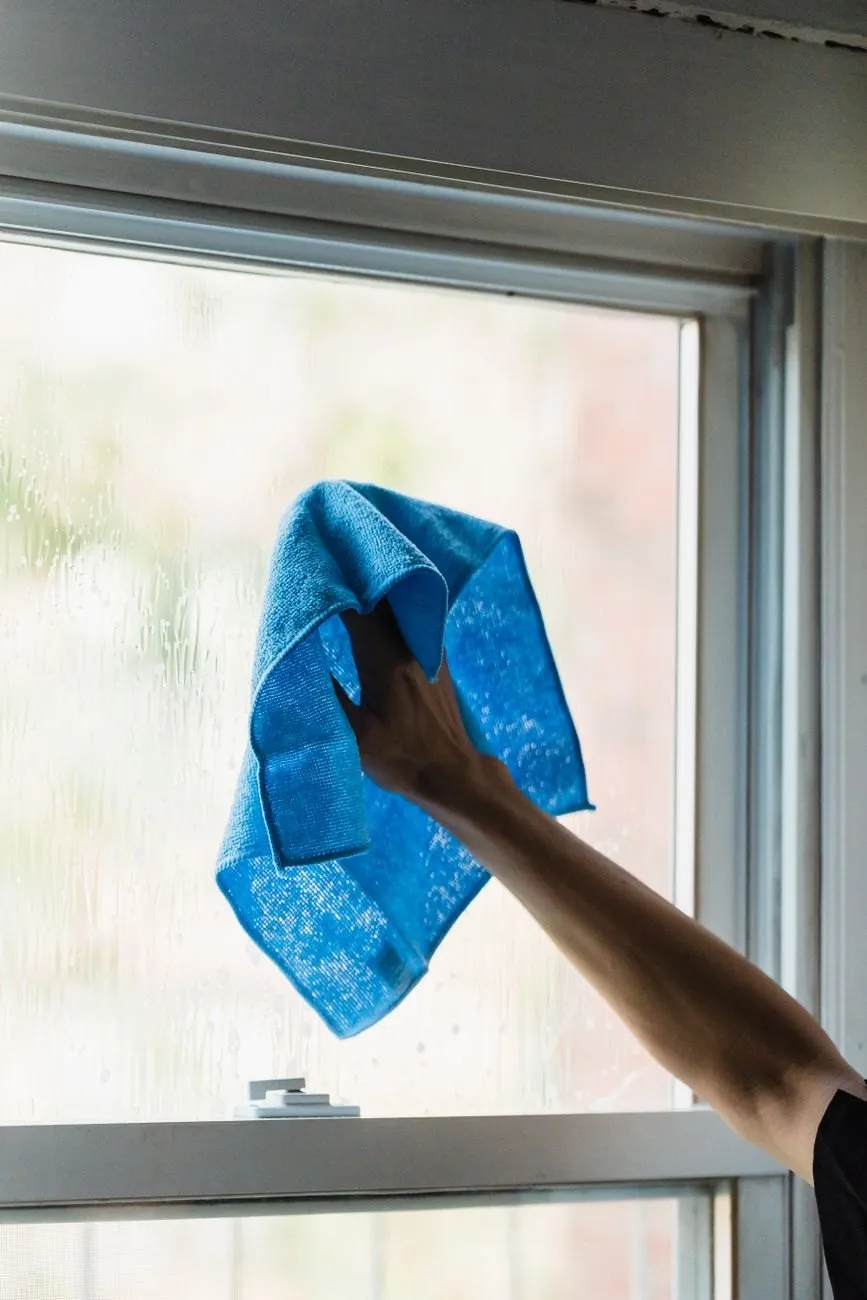
- Wipe in overlapping horizontal strokes with the damp cloth, working from the top down.
- Rinse with the shower head and squeegee the glass in vertical strokes, wiping the blade after each one.
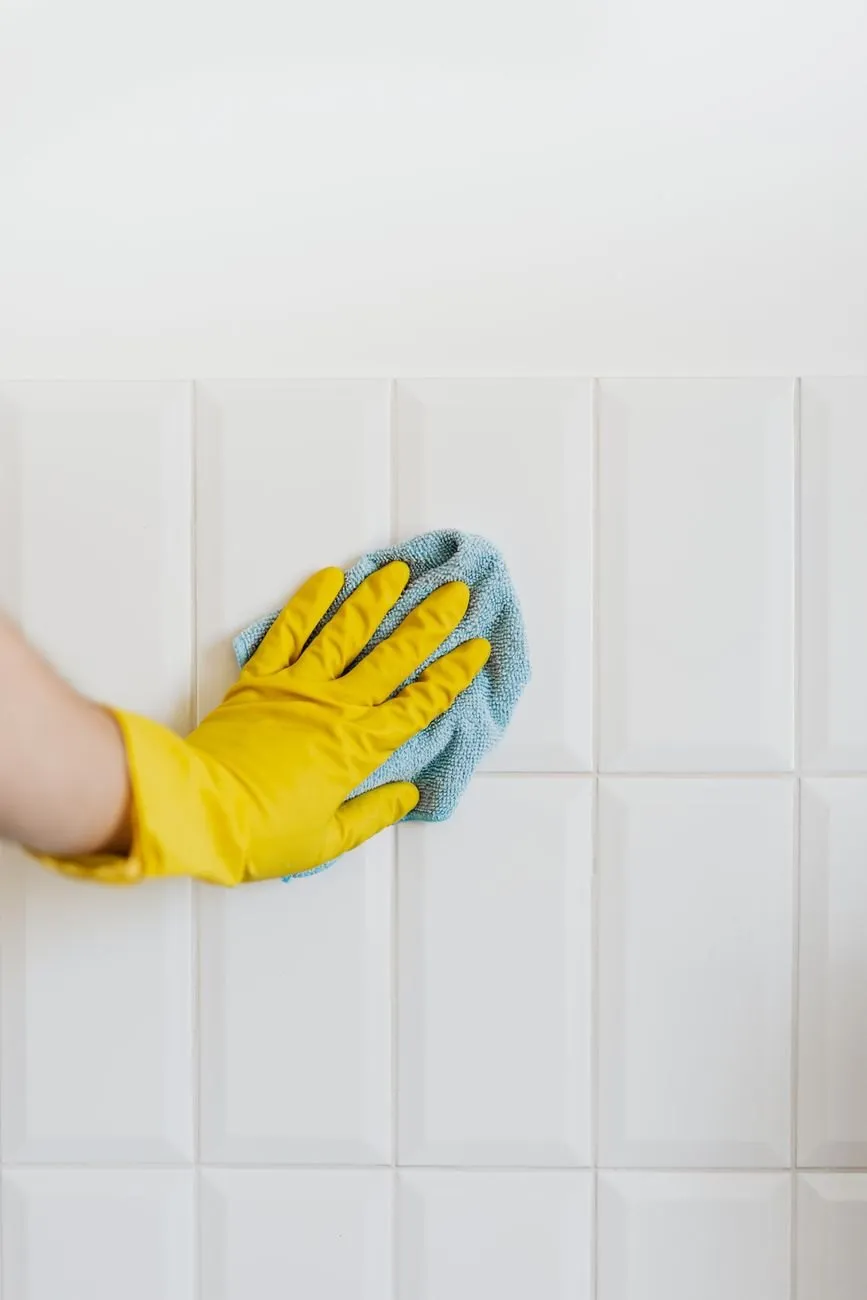
- Buff the edges and the metal frame with the dry cloth.
Vinegar is safe on glass, tiles and chrome. Keep it off natural stone such as marble or travertine; the acid etches it. For stone, use a pH-neutral cleaner and more elbow grease.
The habit that saves the next ten minutes
Keep the squeegee in the shower and give the glass four strokes after every use. It takes fifteen seconds, and it removes the water before the limescale can settle. Our regular clients who do this need a descale every couple of months instead of every visit.
When a screen has gone past the point where vinegar helps, the glass itself can be etched. We will tell you honestly if that is the case before quoting a deep clean.